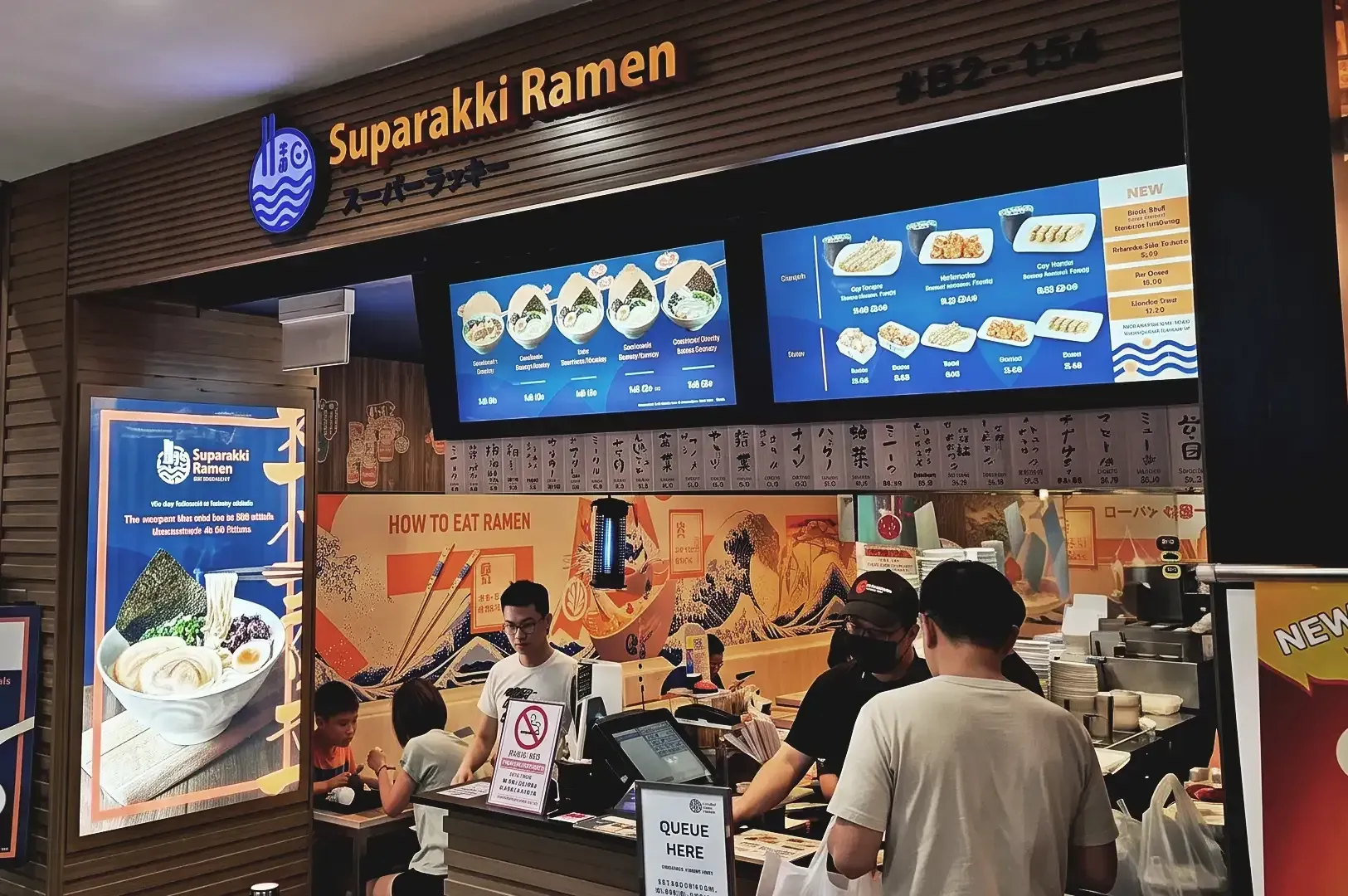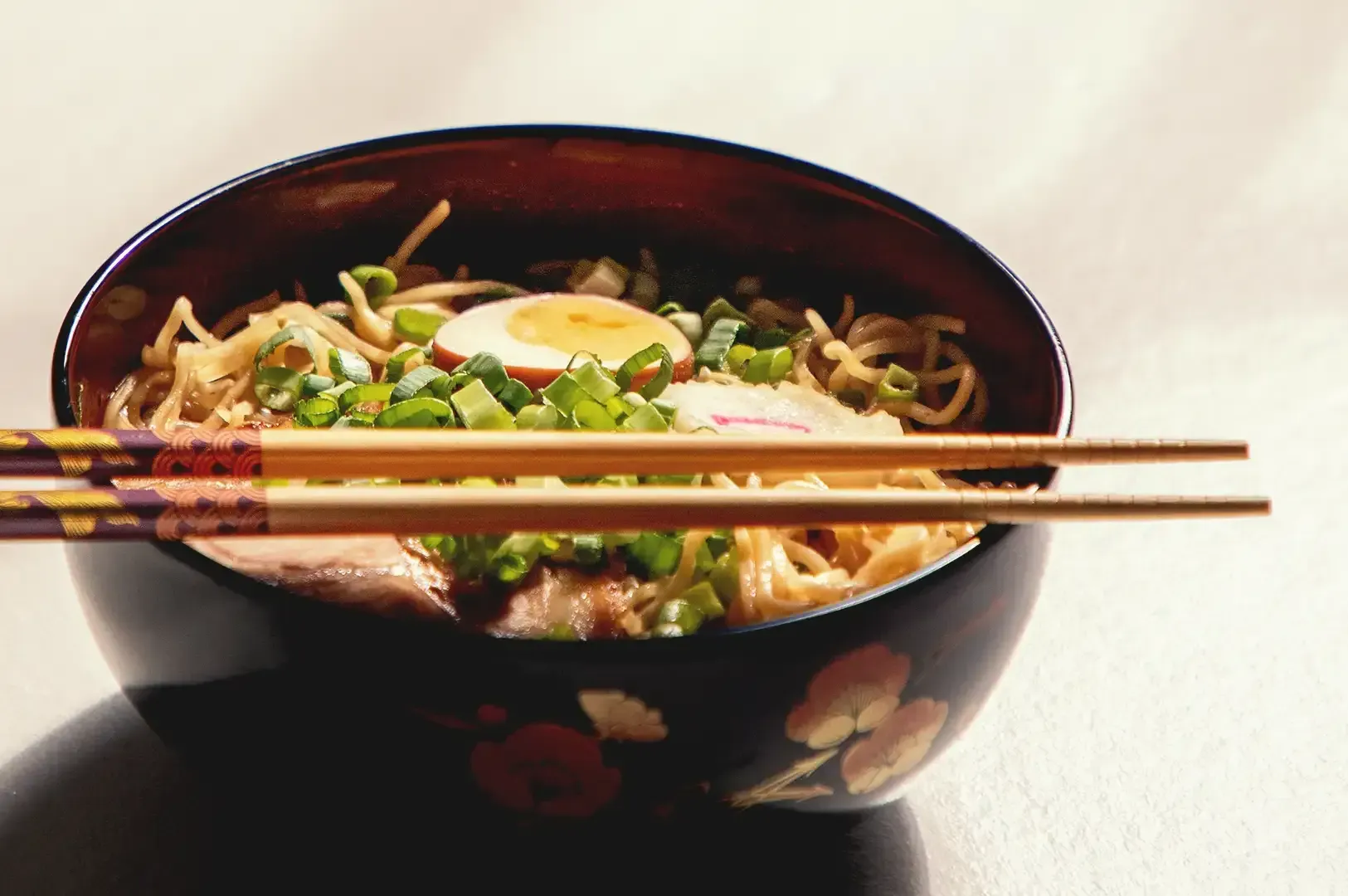
Singapore Celebrity Chefs: Beyond the Hype – Do These Famous Names Deliver Real Flavor with their Ramen?
I still remember the first time I stepped into one of those ultra-posh celebrity chef ramen restaurants in Singapore. The sleek decor, perfect lighting for the ‘gram, and the chef’s smiling face on the menu had me buzzing with excitement. You see a big name, and you instantly think, “This must be amazing.” The price tag made my heart skip a beat, but hey, for a taste of Michelin-starred magic, why not?
Introduction to Singapore’s Culinary Scene
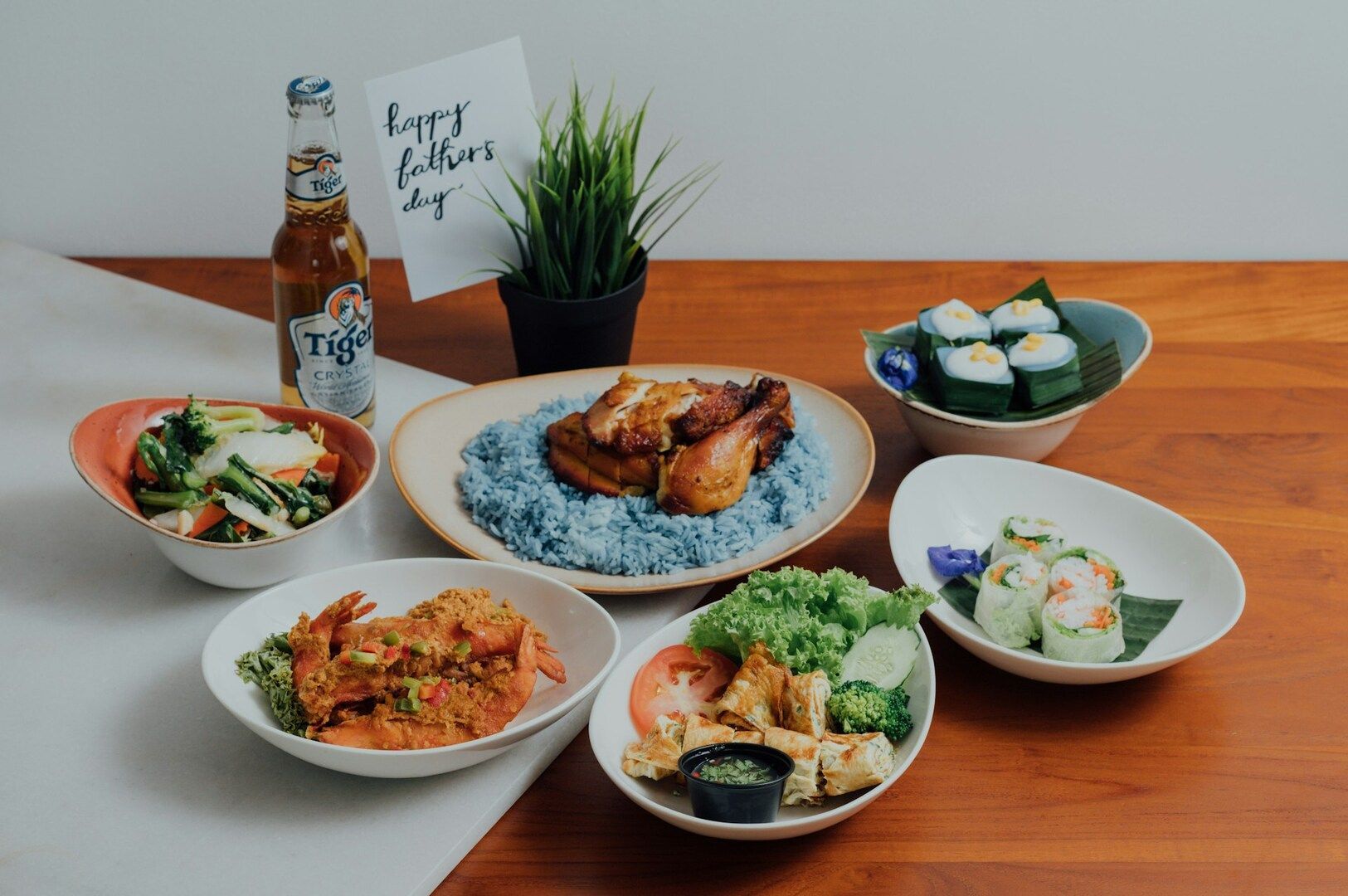
Singapore's culinary landscape reflects the city's multicultural composition and established food traditions. The dining scene typically includes Chinese, Malay, Indian, and Peranakan cuisines, among others, which often coexist within individual dining districts. Visitors may find both traditional hawker centre stalls serving local specialties like Hainanese chicken rice and formal dining establishments that focus on refined presentation and technique.
Local chefs including head chefs, executive chefs, and chef-owners, often approach their craft by balancing established cooking methods with contemporary techniques. Many have gained experience across multiple restaurant environments, which may contribute to their understanding of both classical preparations and newer culinary approaches. This background typically results in menus that reference traditional dishes while incorporating modern elements, spanning familiar options like chicken rice to more experimental fusion preparations.
The Rise of Celebrity Chef Ramen in Singapore
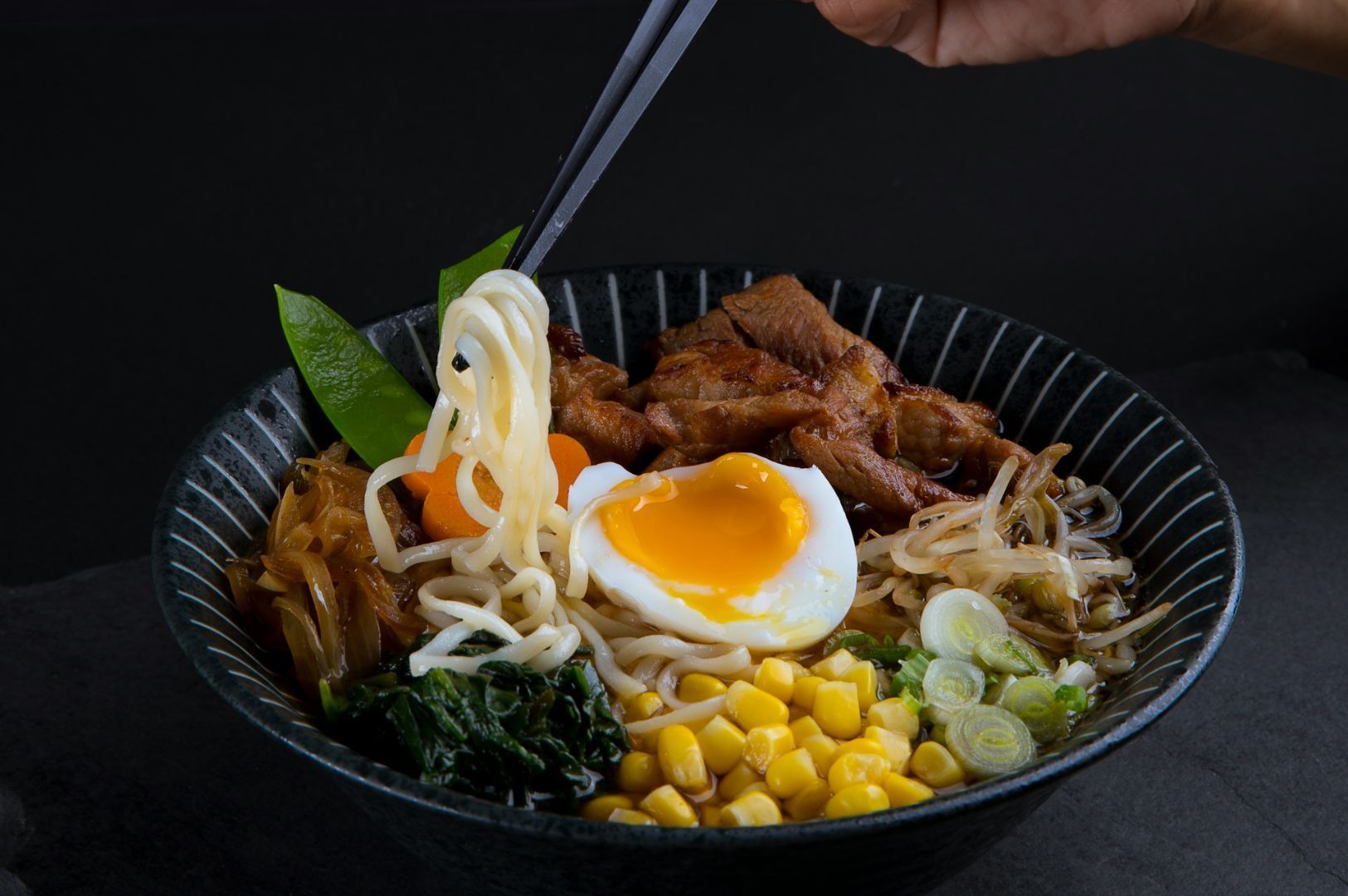
Every few months, a renowned chef from Japan or Europe announces a new ramen venture here. Why ramen? It’s a dish with universal appeal, comforting yet sophisticated, simple yet creative. Many chefs are inspired by diverse culinary traditions or personal experiences to create innovative ramen that stands out in Singapore’s competitive dining scene.
For singapore celebrity chefs, ramen is a smart way to reach a wider audience without the high costs of running a full fine dining restaurant. Many are chef owners, personally shaping their ramen concepts with their signature cooking techniques, promising diners an authentic taste of their culinary genius. Chef partners also play a crucial role, collaborating to shape ramen concepts and the overall restaurant identity. The pitch is irresistible: “Taste Michelin-starred precision in a humble bowl of noodles.”
Singaporeans are always on the lookout for the next best ramen spot. The chance to enjoy a world-class chef’s creation for under $30 is a big draw. The Michelin Guide, as an authoritative and prestigious culinary rating system, has recognized top ramen places in Singapore, including one Michelin-starred ramen restaurants, further boosting this trend. But skepticism remains: Is the celebrity chef actually in the kitchen, or just lending their name and recipes while off to their next big project?
Singapore’s global culinary reputation attracts these chef owners, enriching the city’s vibrant food scene.
Marina Bay Sands is home to several restaurants helmed by celebrity chefs, highlighting their influence and reach, as well as several award-winning celebrity chef restaurants.
Michelin-Starred Restaurants: Ramen’s Place Among the Elite
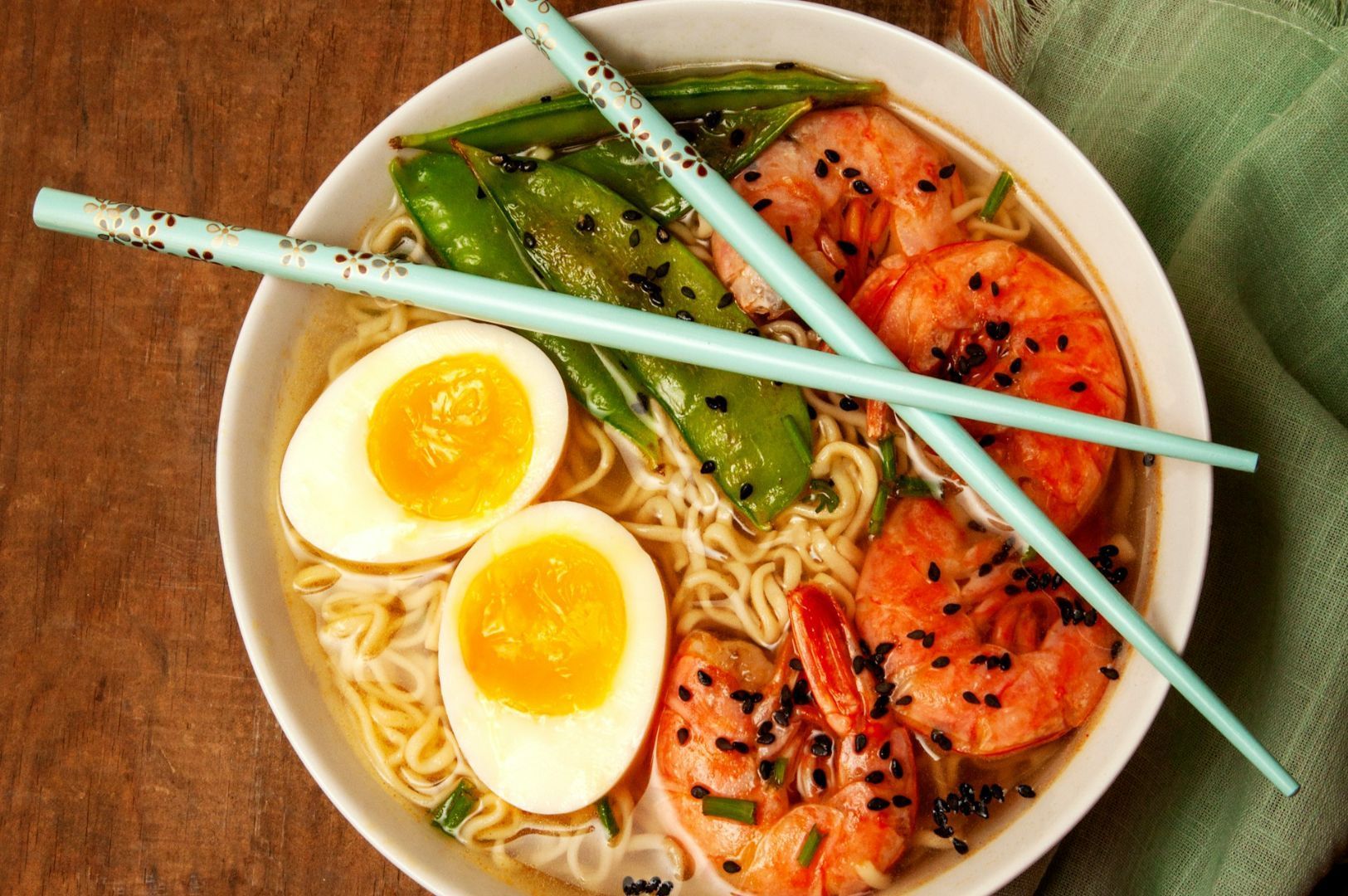
In Singapore's established dining scene, the Michelin Guide serves as a widely recognized standard that restaurants typically pursue for validation. Earning a Michelin star often indicates culinary achievement, suggesting to diners that a restaurant may deliver food experiences that exceed basic expectations. Traditionally, fine dining establishments serving French, Japanese, or modern European cuisine have frequently appeared on the list, with head chefs and executive chefs developing signature dishes that demonstrate their technical skills.
What Makes Great Ramen? The Essentials
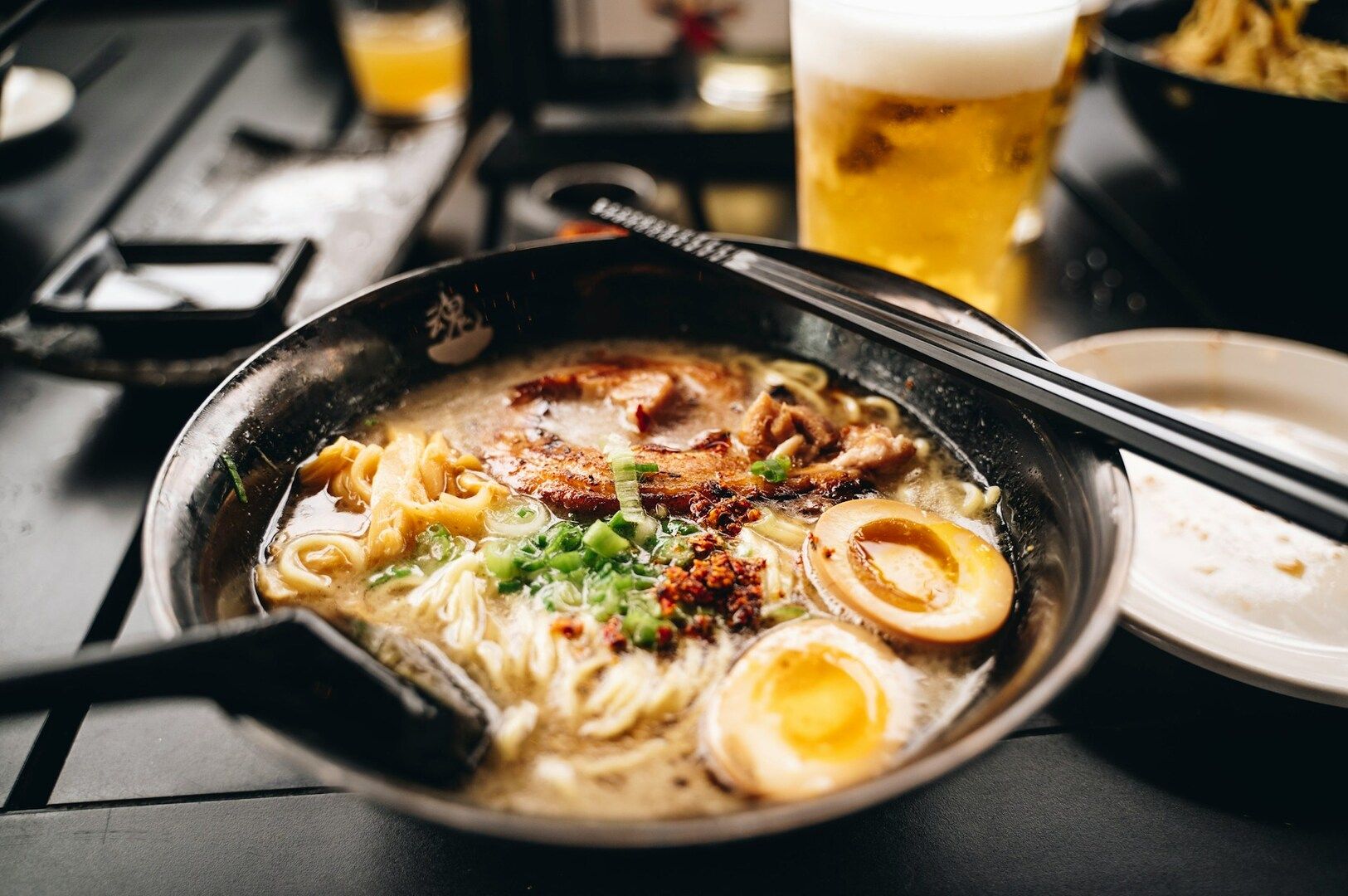
Before judging any bowl, we must agree on the basics. A famous name means nothing if the fundamentals aren’t spot on. I’ve sampled ramen from hawker stalls to high-end restaurants across Singapore, and great ramen boils down to a few essentials.
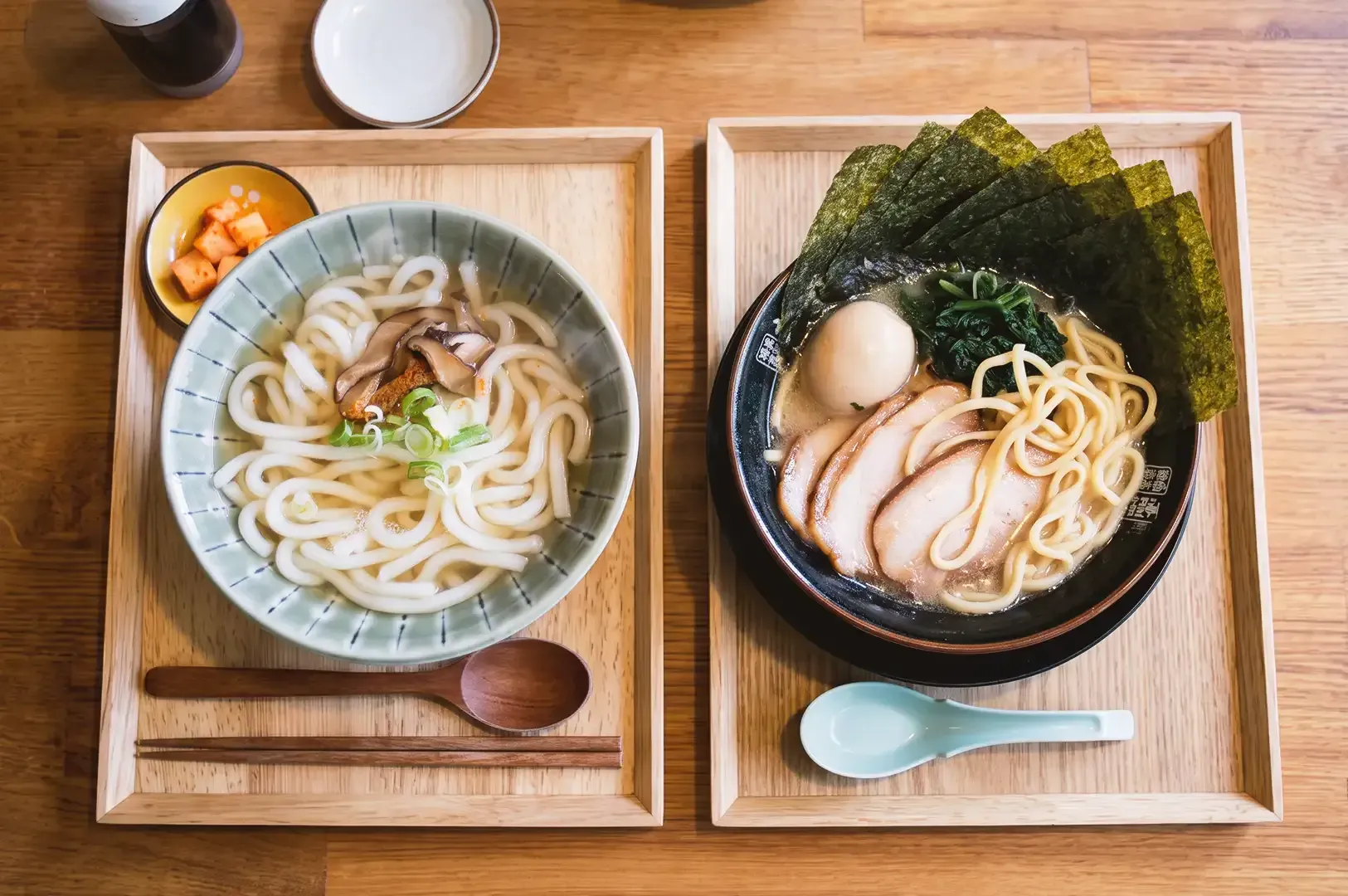
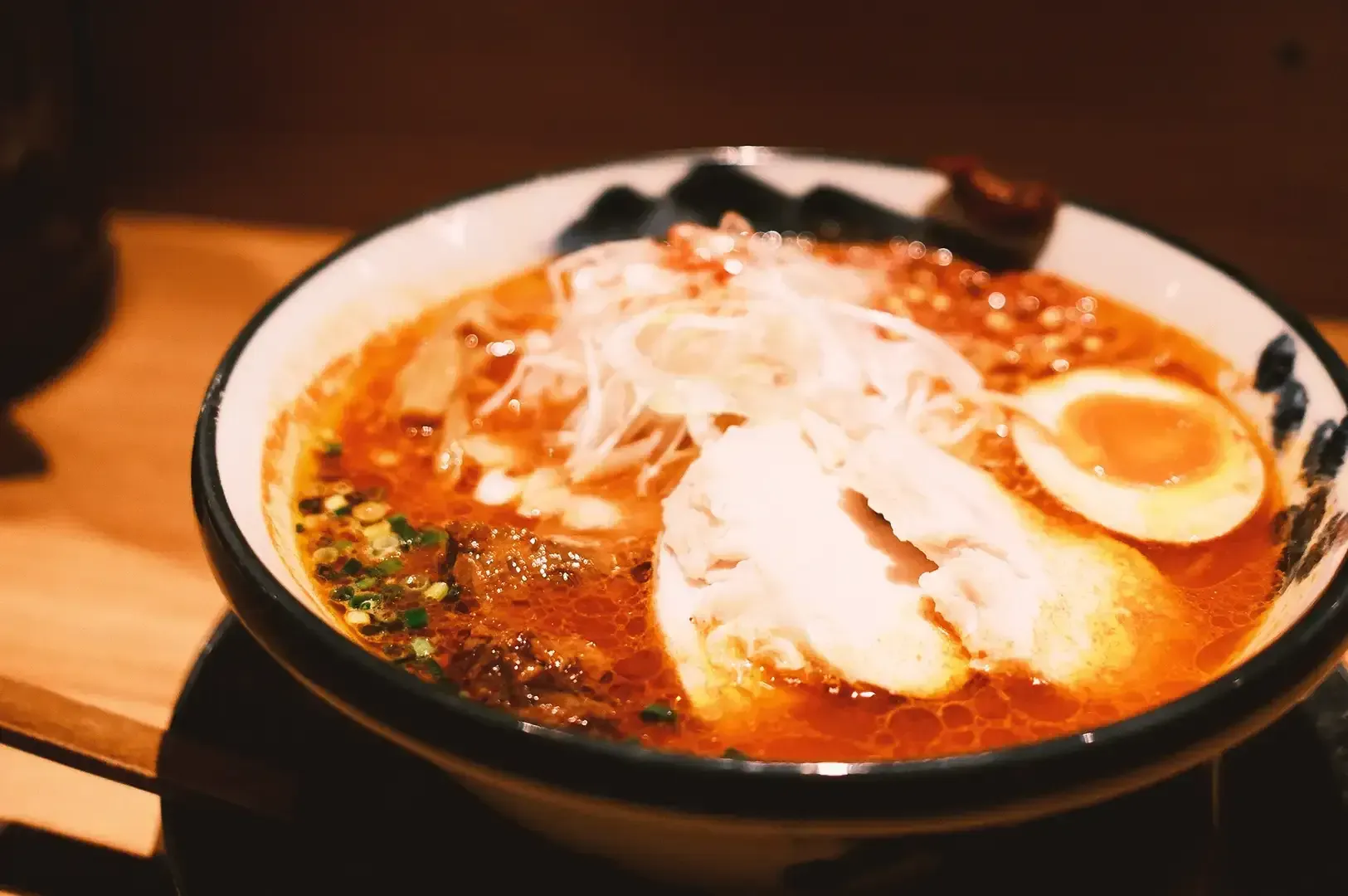
First: the broth. It’s the soul of ramen. A good tonkotsu broth should be rich, creamy, and packed with collagen and deep pork flavor—not just salty or oily. Clear broths like shoyu or shio should be light yet layered with complex dashi flavours, offering a harmonious and satisfying taste profile. Some chefs even add herbs to enhance aroma and nutrition.
Then: toppings. Chashu should be tender and flavorful, not dry. Meat is a key ingredient here, with different preparations such as braised pork belly, roasted or even cured meats adding depth and variety. The seasoned egg (ajitama) needs a perfectly molten yolk. Vegetables like fresh spring onions, bamboo shoots, or spinach are important for adding freshness and nutrition to the bowl. Every element matters, balancing delicately to create magic.
A well-made
bowl of ramen should be delicious, with every component coming together to deliver a deeply satisfying taste that keeps you coming back for more. Just like in Singaporean classics such as Hokkien Mee or carrot cake, achieving a nice balance of flavors, where sweet and savory notes are harmonized—is essential to elevate the overall dining experience.
Chef Roles and Responsibilities: Behind the Kitchen Doors
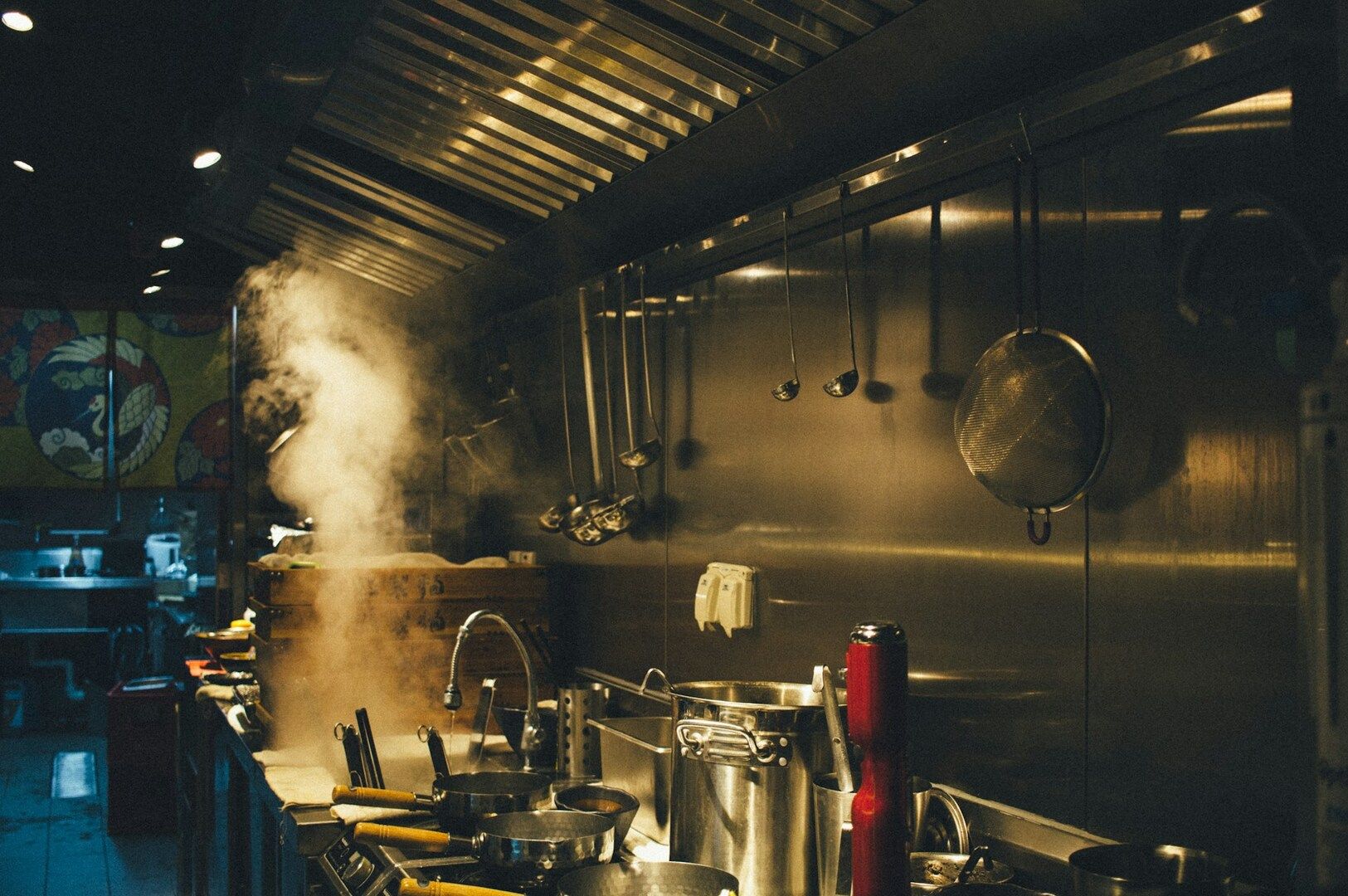
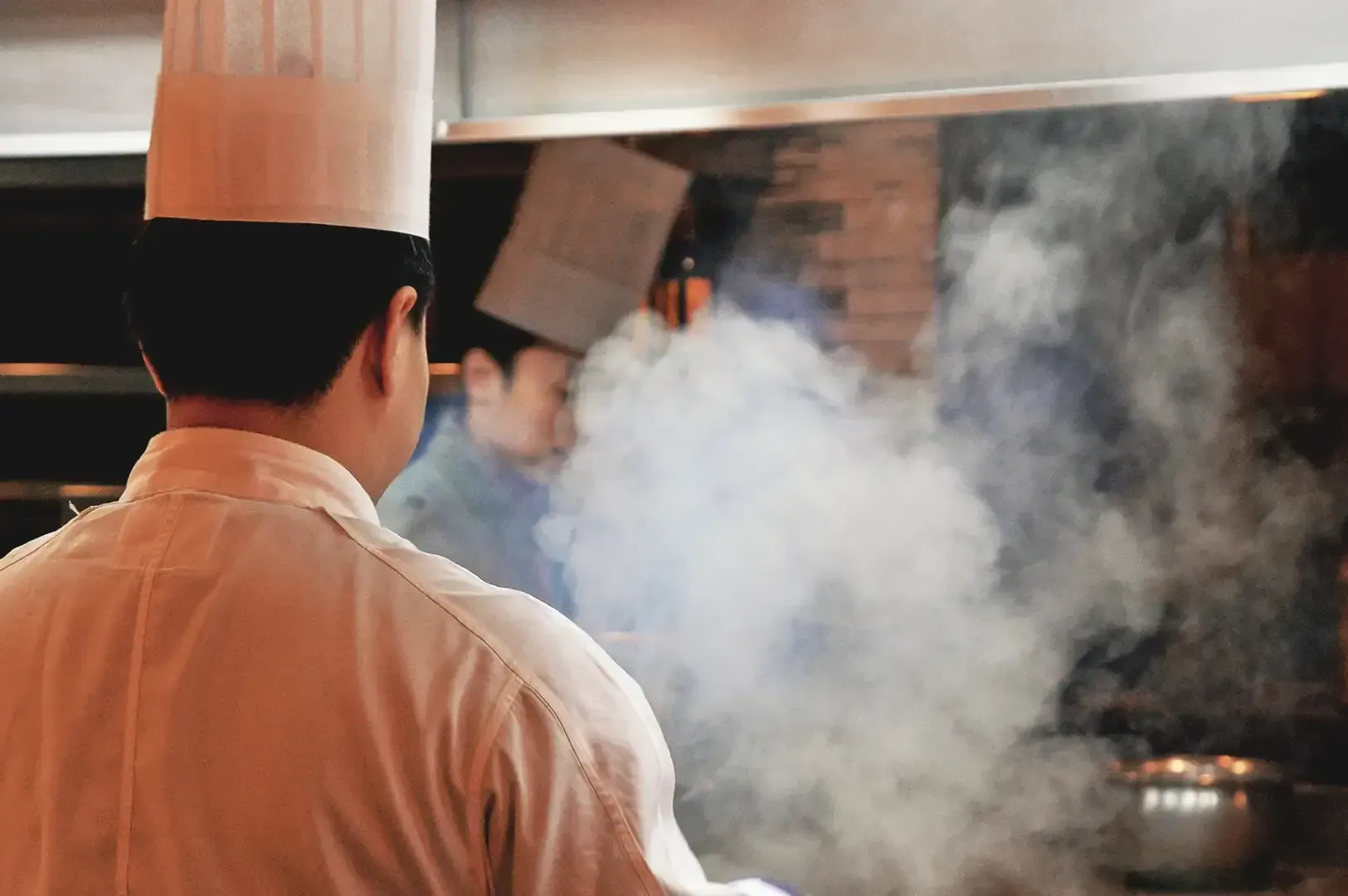
Restaurant kitchens in Singapore typically operate as organized environments where precision, creativity, and teamwork contribute to meal preparation. These establishments often employ chefs with distinct roles, generally united by their focus on food preparation and service delivery.
The chef de cuisine often works in coordination with the head chef to manage daily kitchen operations. This role typically involves ensuring plate consistency and quality standards before service. Their duties may include menu planning, food preparation oversight, and kitchen staff training, helping to maintain standards for both traditional Singapore heritage cuisine and contemporary fusion offerings.
Chef responsibilities often extend beyond service hours. Many chefs frequently explore
Singapore's local food scene during their time off, which may include visits to preferred establishments on Boon Tat Street or sampling variations of classic dishes like chicken rice. These experiences often provide inspiration for menu development, potentially contributing to menu innovation. Some chefs may also cook at home for family members, often experimenting with herbs, chilli, and seasonal ingredients for personal meal preparation.
Meet the Celebrity Chefs Behind Singapore’s Ramen Scene
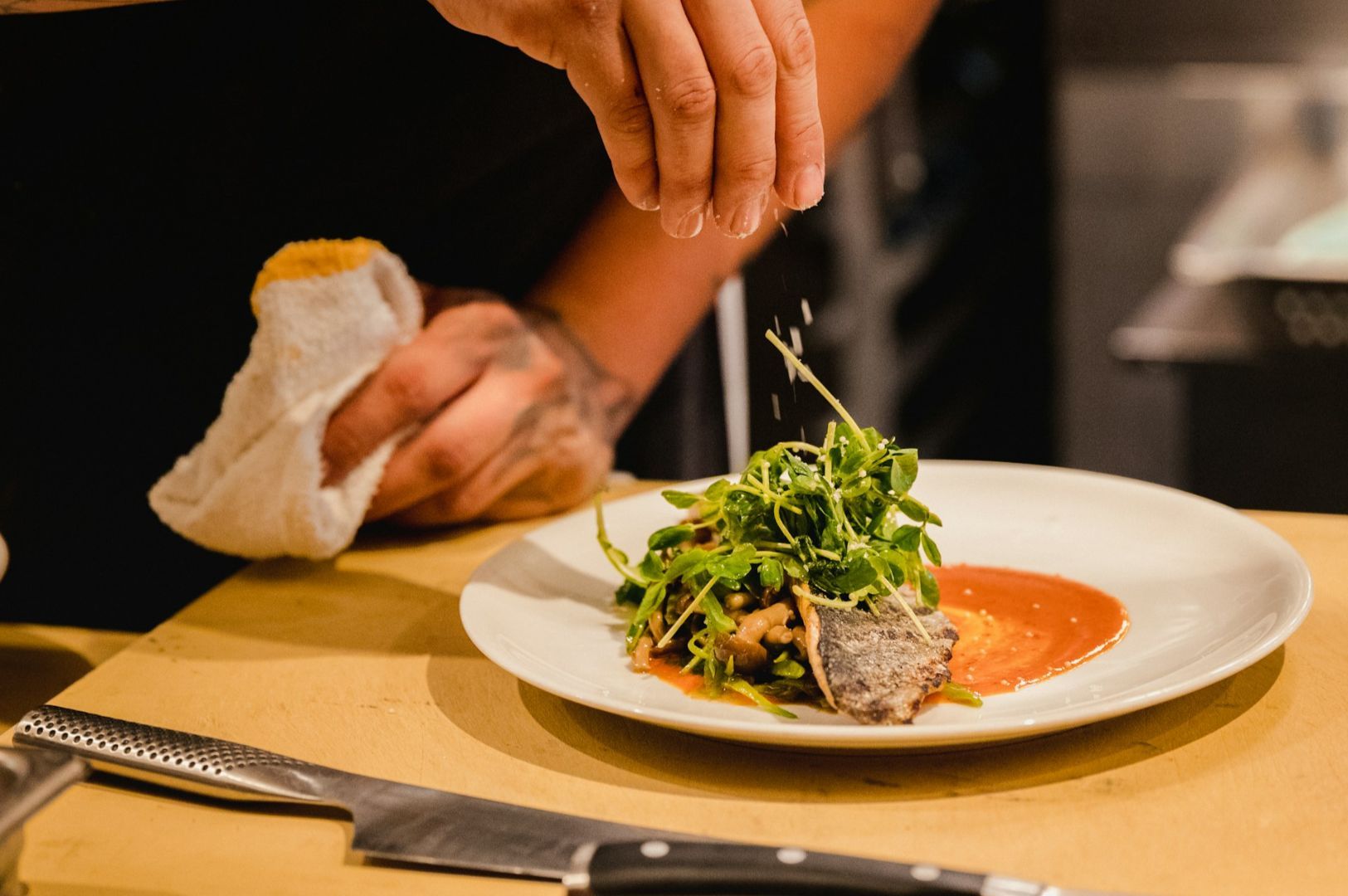
Take Chef Yuki Onishi, chef owner and chef de cuisine behind Tsuta—the world’s first Michelin-starred ramen restaurant. His dedication shines in every detail, from broth to noodles and toppings, a commitment shaped by his first job in a traditional Japanese kitchen. Julien Royer, head chef of Odette, a restaurant awarded two Michelin stars, has also made a significant impact on Singapore's fine dining scene with his innovative approach and culinary excellence.
Chef Inderpal Singh’s culinary journey was inspired by watching his parents cook for large gatherings in Kuala Lumpur. This early exposure, which began before his first job in the industry, continues to influence his approach to ramen and beyond.
Chef Heman Tan’s first job in a UK restaurant sparked his passion for American food, which he now incorporates into his ramen creations, adding a unique twist. His job history reflects a dedication to exploring diverse culinary traditions.
Chef Partners and Collaborations: When Icons Join Forces
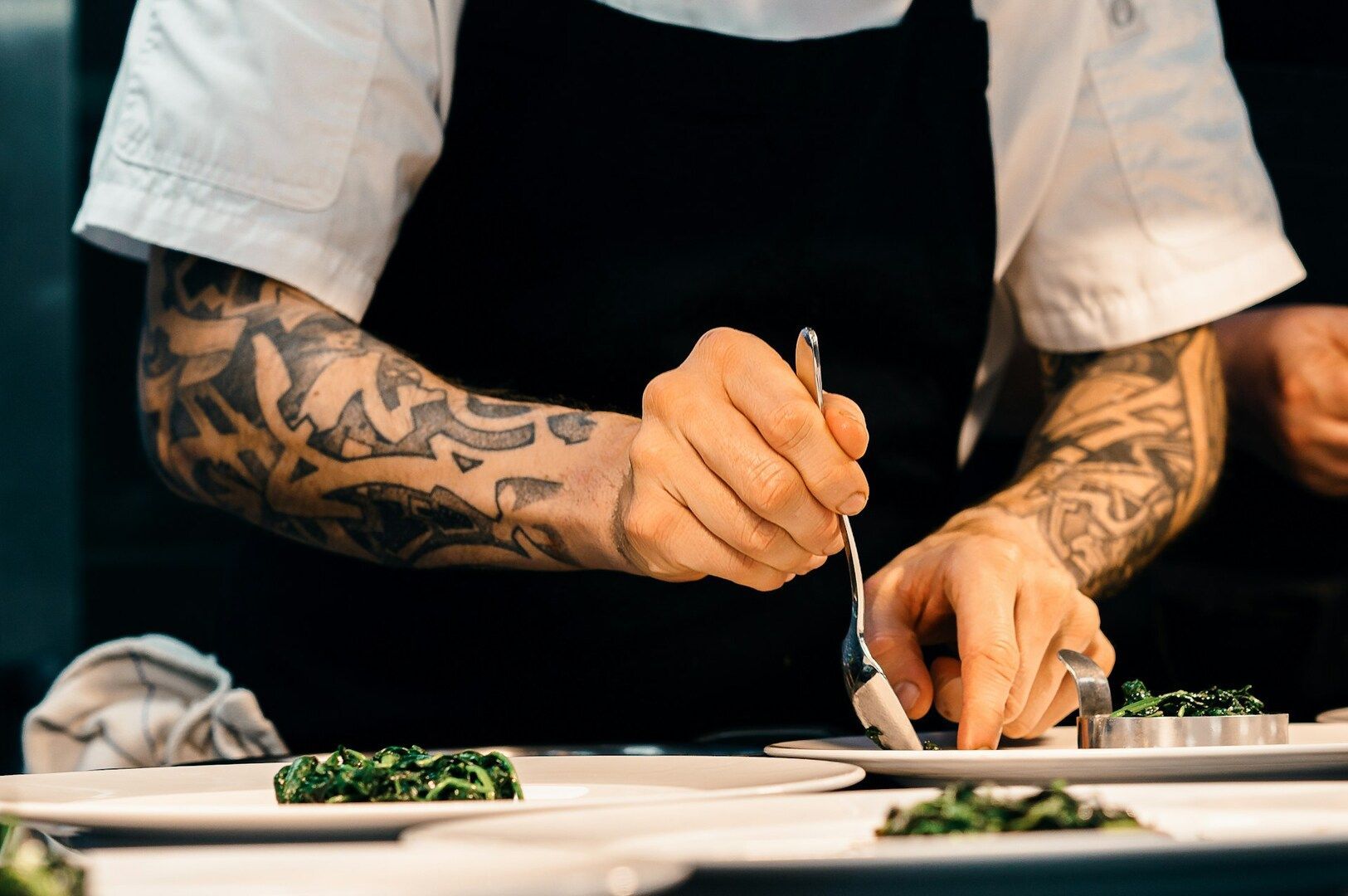
When a head chef works alongside a sushi chef or pastry chef, the result may be a menu that offers new combinations for regular diners. These collaborations typically represent a meeting of different expertise areas, drawing from various cuisines and cooking techniques.
Chef Louis Han provides a relevant example of this approach. Known for his methodical style and established dishes, Chef Louis Han has collaborated with other chefs at NAE:UM and similar venues, developing specialized menus that highlight each chef's particular strengths. A sushi chef might introduce Japanese techniques to Korean-influenced preparations, while a pastry chef may incorporate sweet elements into savory dishes, expanding traditional boundaries.
For diners, these collaborations generally provide access to diverse flavor profiles—one meal might feature elements from Singapore, Korea, and Japan, prepared with consistent attention to detail. The culinary team's combined expertise tends to be evident across multiple courses. This collaborative approach often contributes to Singapore's evolving dining options, offering choices that may appeal to those seeking varied culinary experiences.
Seafood and Fish: Essential Elements in Celebrity Chef Menus
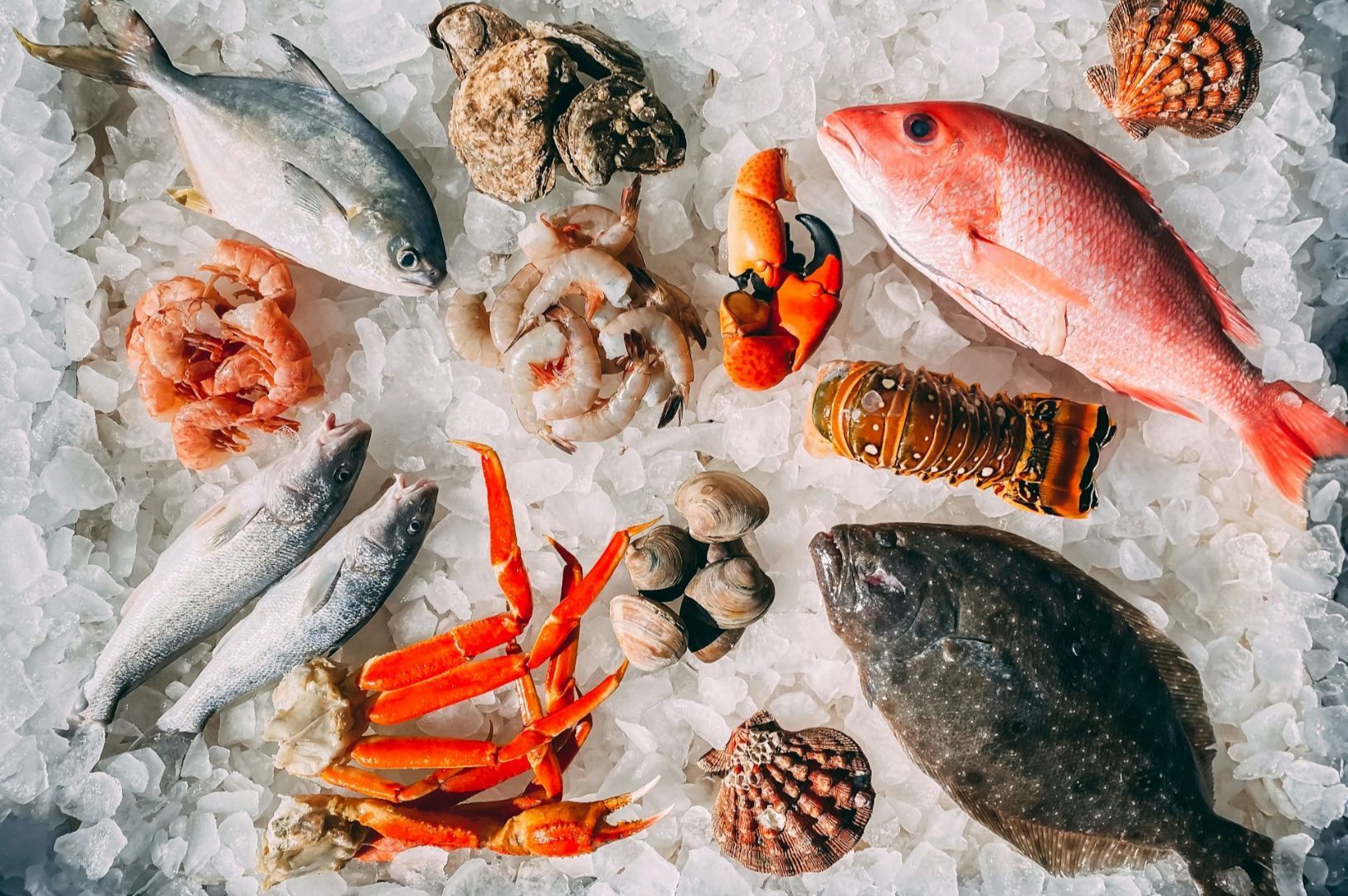
Seafood and fish play a vital role in many Singapore celebrity chefs’ menus, reflecting the city’s coastal heritage and love for fresh ingredients. From premium sashimi to innovative seafood dishes, chefs incorporate fish to add freshness, texture, and umami depth.
When Celebrity Meets Craft: My Ramen Experiences
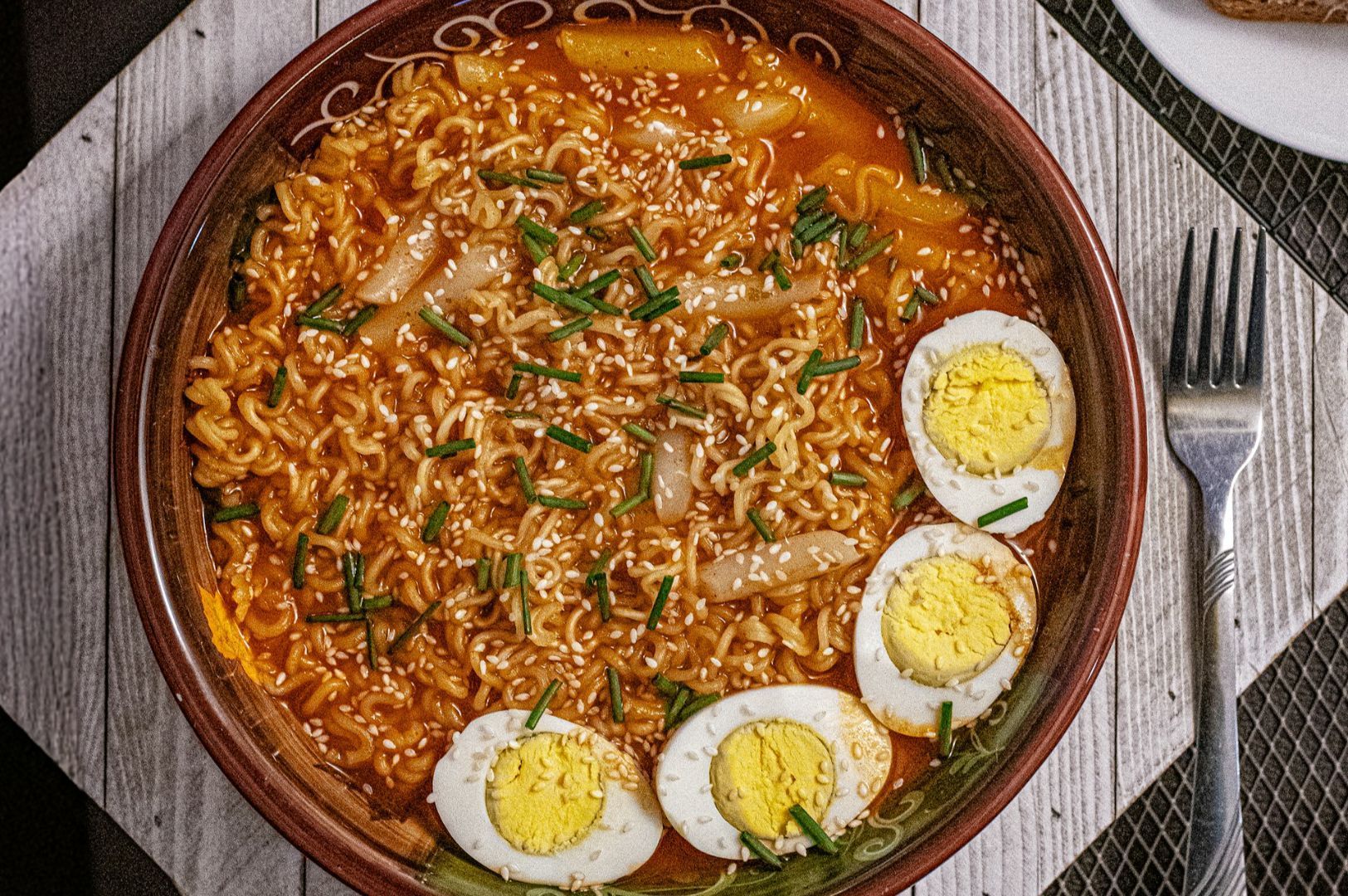
I’ve tasted many celebrity chef ramen spots in Singapore. The results? Mixed. Some bowls blew me away; others left me underwhelmed.
Tsuta stands out as my go to ramen spot. Their Michelin star is well-earned. My go to dish is the signature shoyu soba with truffle oil—elegant, refined, with a captivating aroma. Chef Yuki Onishi’s mastery of balancing complex flavors was evident. Here, the celebrity name truly matched the ramen’s quality.
I love to eat ramen at the counter, watching the chefs work, which adds to the experience. There’s a special place in my memory for a tiny ramen bar where I shared a late-night bowl with friends after a long day—simple, comforting, and unforgettable. Among all, my favourite stall is a humble hawker ramen stall tucked away in a quiet corner, where the chef remembers my usual order and the broth always brings back a sense of nostalgia and warmth.
Other places felt more commercial. One European chef’s avant-garde ramen looked stunning with foams and gels but lacked soul. The broth was technically perfect but emotionally flat, as if the chef imposed his style on a dish he didn’t fully grasp.
Some celebrity chef ramen spots also offer signature chicken wings or even pizza, but for me, ramen remains the ultimate comfort food. I’m already planning my next meal, looking forward to trying new broths or seasonal toppings at my favorite spots.
The Price Tag: What Are You Really Paying For?
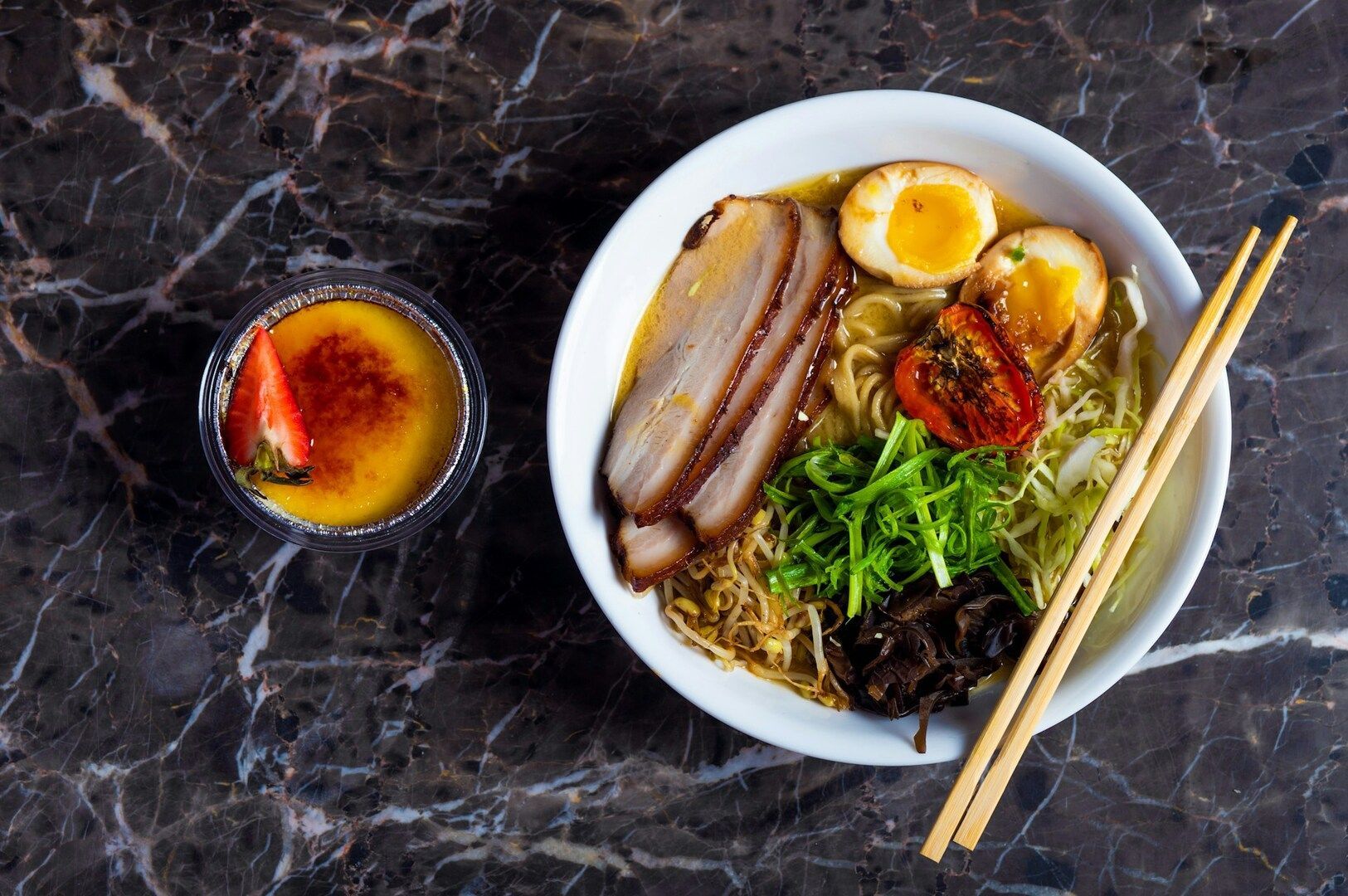
Celebrity ramen bowls often cost $25 or more, while neighborhood shops serve solid bowls for around $15. Are you paying for better ingredients and technique, or just the fancy setting and famous name?
Sometimes the premium is justified. The job of a celebrity chef involves years of experience, career development, and dedication to perfecting their craft, which is reflected in the quality of the ramen. High-quality ingredients like premium shoyu,
kurobuta pork, or French truffles cost more, and the use of premium meat, sometimes roasted to enhance flavor—adds depth and complexity. The research and innovation behind unique broths, as well as the careful balance of savory and sweet elements in the bowl, contribute to a refined flavor profile. Many celebrity ramen spots also offer curated drinks—sake or cocktails—to elevate the experience.
Dining Atmosphere and Culinary Culture in Singapore
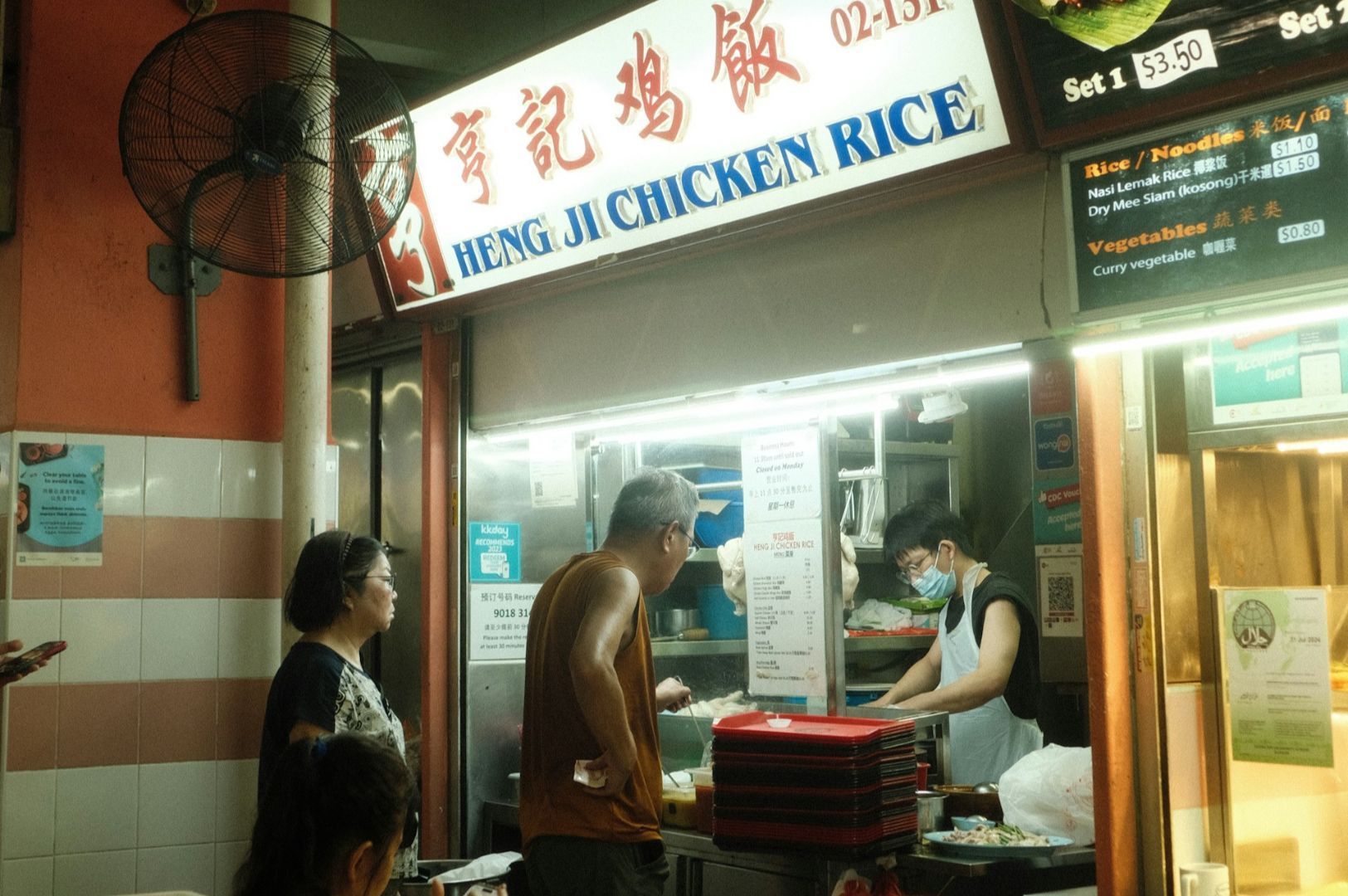
Singapore is known as a culinary destination among food enthusiasts all over the world. Dining options range from casual hawker stalls serving classics like Hainanese chicken rice to upscale restaurants in Marina Bay Sands with Michelin-starred chefs.
Experienced head chefs, chef de cuisines, executive chefs, and chef partners bring their expertise to menus that combine traditional and contemporary cooking techniques. Sushi chefs focus on precision with seafood, while pastry chefs craft desserts balancing taste and presentation. Jason Tan is celebrated for his ‘gastro-botanica’ concept, which focuses on vegetables and botanicals, highlighting the importance of vegetables in Singaporean cuisine.
Chef Louis Han, for instance, blends Singapore heritage cuisine with modern methods to create signature dishes appealing to diners seeking both familiarity and refinement.
Restaurant atmospheres vary, from casual lunch spots on Boon Tat Street to formal Michelin-starred venues with curated lighting and wine lists.
There is a nostalgic comfort in enjoying dishes like chicken rice or mutton soup after swimming lessons, a childhood routine for many, making these foods deeply connected to memories and comfort. Chefs often visit hawker centers during free time to find inspiration or scout favorite stalls, appreciating the use of fresh vegetables and quality produce in local fare.
Many culinary careers start after national service, progressing from first jobs in kitchens to roles as chef partners or owners of multiple restaurants. Mastery of cooking techniques and dedication to quality uphold Singapore’s reputation as a food haven.
Whether grabbing a quick lunch or enjoying an omakase dinner, Singapore’s food scene offers a rich blend of cultural flavors and culinary expertise.
Sweet Endings: Pastry Chefs and Dessert Surprises in Ramen Restaurants
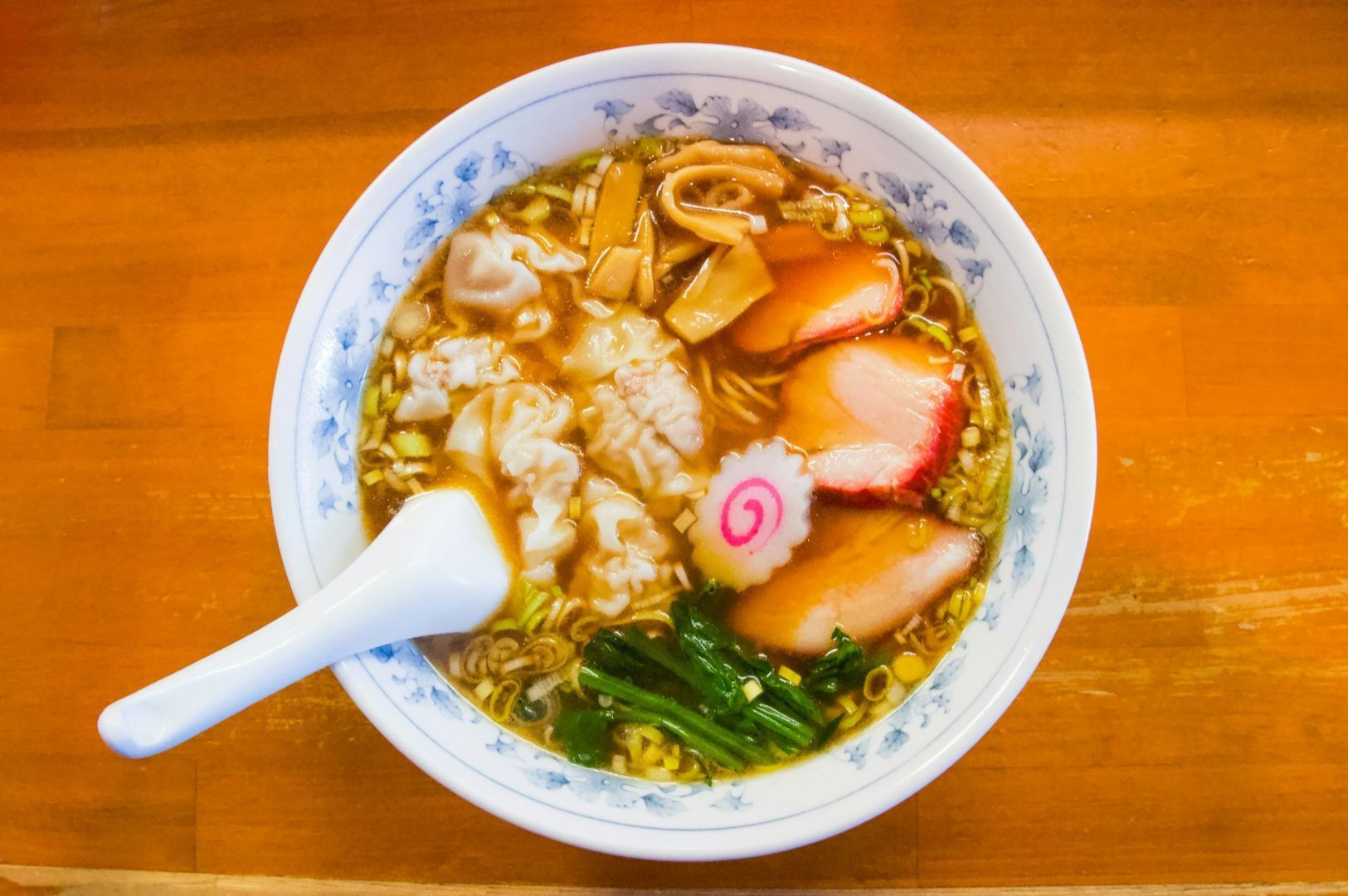
Ramen restaurants in Singapore typically extend their offerings beyond traditional savory bowls to include dessert options. This development has expanded the dining experience at these establishments, with pastry chefs and executive chefs often incorporating sweet courses that complement the main meal offerings.
Final Thoughts: Separating Hype from Heart
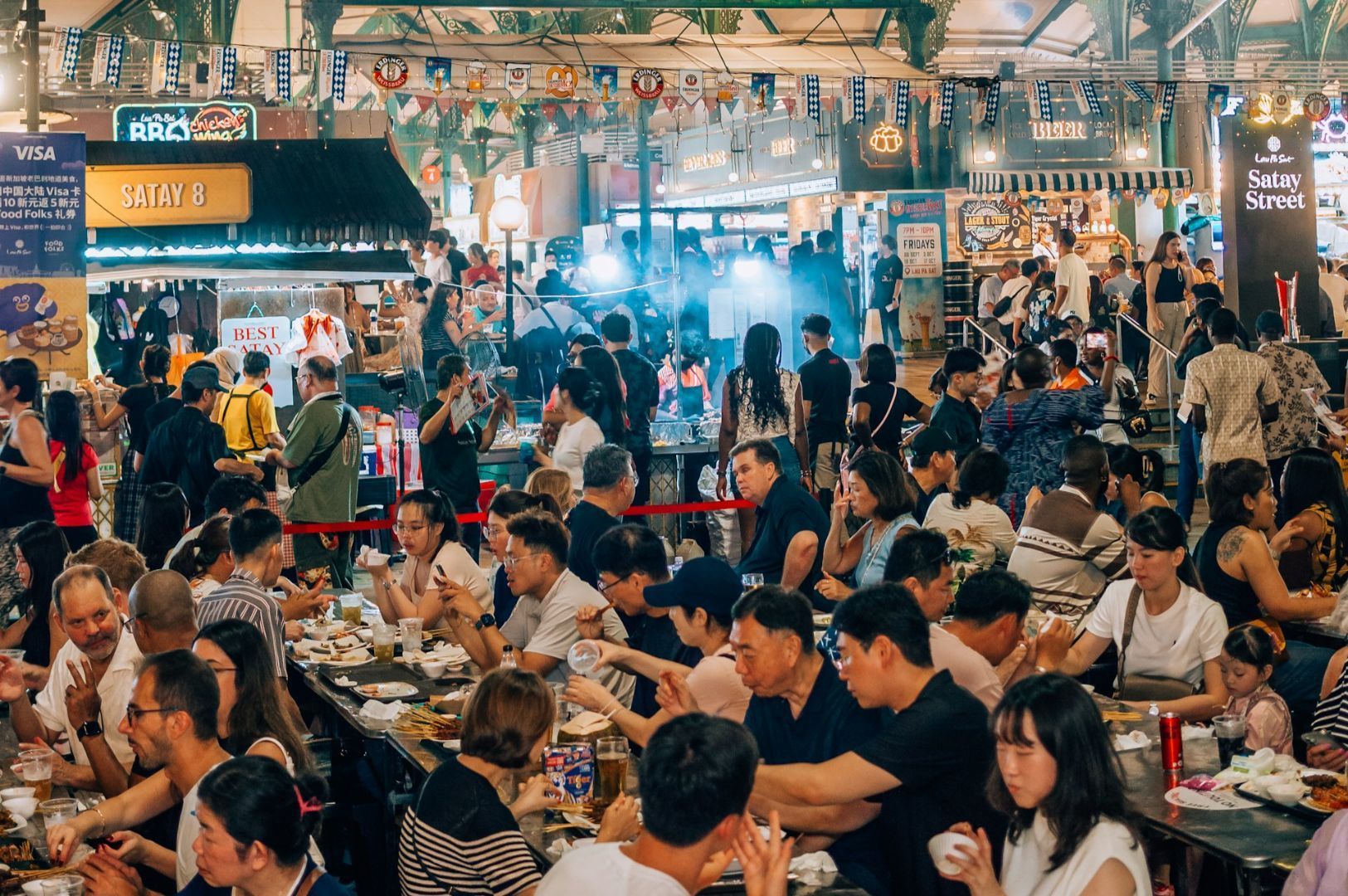
After all my tasting and slurping, what’s the verdict? Is celebrity chef ramen in Singapore all hype?
Reflecting on Singapore’s vibrant food scene, the ongoing debate over the national dish—whether it’s Chicken Rice, Laksa, or Mee Siam, highlights the country’s rich and diverse culinary heritage. Many chefs believe Chicken Rice is a strong contender due to its popularity and cultural significance, while Laksa showcases Singapore’s multicultural influences, and Mee Siam is valued for its historical roots.
For those eager to explore the world of ramen beyond Singapore, be sure to check out the
Global Ramen Expedition at Bestramen.com.sg
where you can discover authentic ramen experiences from around the globe.
Recent Posts